About Khuzestan
Khuzestan province in Iran plays a pivotal role in the energy sector, primarily due to its abundant natural resources and strategic location.

Khuzestan International Exhibitions
Center, Khuzestan, Iran
Under the patronage of
Khuzestan province in Iran plays a pivotal role in the energy sector, primarily due to its abundant natural resources and strategic location.
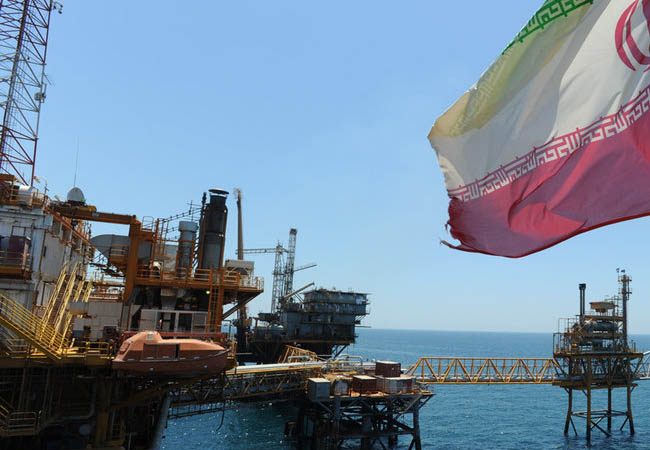
Khuzestan province is renowned for its vast reserves of oil and natural gas, making it one of Iran's leading regions in energy production. The province is home to several major oil fields, including Ahvaz, Marun, and Gachsaran, which contribute significantly to Iran's overall oil output. These fields have been instrumental in Iran's position as one of the world's top oil producers.
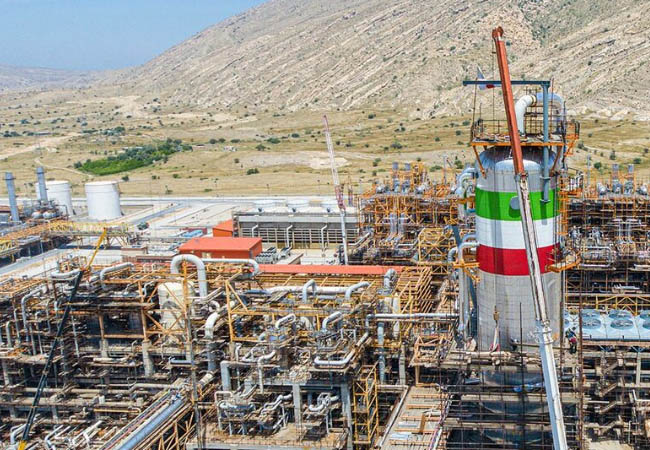
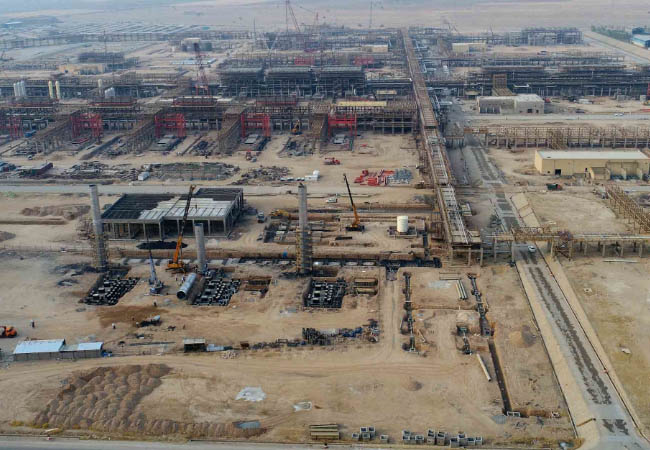
Given its rich oil and gas resources, Khuzestan has developed a robust petrochemical industry. Petrochemical complexes in cities like Mahshahr and Bandar Imam are key contributors to Iran's petrochemical production capacity. These complexes produce a wide range of products including ethylene, propylene, methanol, and various polymers, catering to both domestic demand and export markets.
Khuzestan hosts major oil refineries such as Abadan and Bandar Imam, which play a crucial role in refining crude oil into various petroleum products including gasoline, diesel, jet fuel, and lubricants. These refineries not only meet domestic demand but also supply refined products for export, enhancing Iran's economic stability through oil revenues.
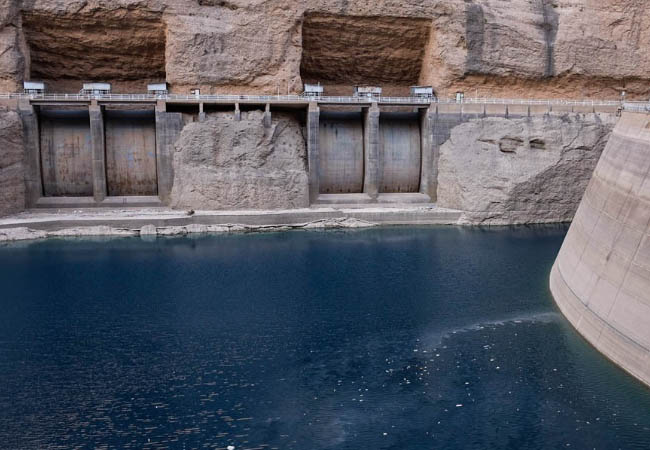
Apart from oil and gas, Khuzestan possesses significant hydroelectric potential due to its numerous rivers, including the Karun River, Iran's largest river. The province has several hydroelectric power plants that generate electricity, contributing to Iran's energy mix and supporting industrial and residential needs.
Khuzestan's agricultural sector is heavily reliant on water resources from rivers like the Karun and Dez. Water management and irrigation infrastructure are crucial for supporting agriculture, which plays a vital role in the province's economy. The province's agricultural products include grains, dates, citrus fruits, and vegetables, contributing to both domestic food security and exports.
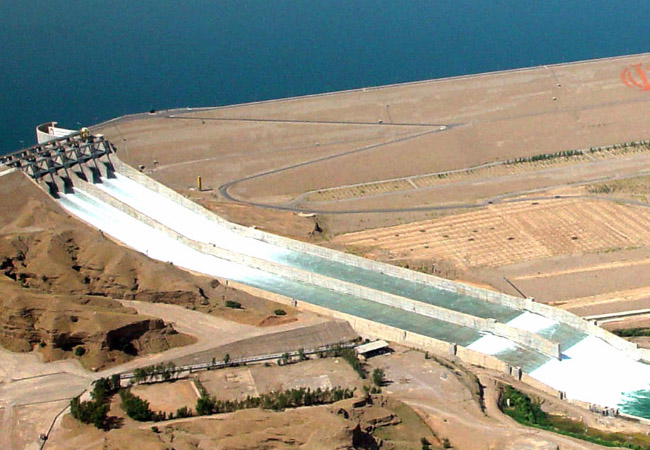
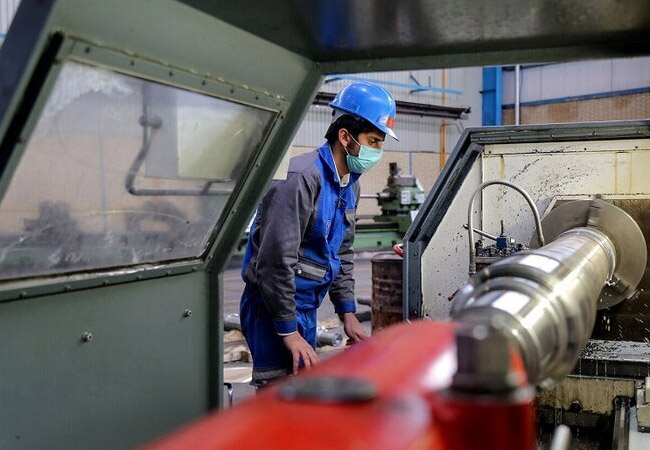
Khuzestan province has developed substantial industrial infrastructure to support its energy and petrochemical sectors. This includes industrial zones, ports, and transportation networks that facilitate the movement of goods and materials essential for industrial activities. Mahshahr Special Economic Zone (MSEZ) is a notable example, serving as a hub for petrochemical industries and related businesses.
Despite its significant contributions to Iran's energy industry, Khuzestan faces challenges such as environmental concerns, water scarcity issues, and infrastructural development needs. Future prospects for the province include continued investment in renewable energy sources like solar and wind power, as well as advancements in technology and efficiency within the oil, gas, and petrochemical sectors.
In conclusion, Khuzestan province plays a crucial role in Iran's energy industry through its abundant oil and gas reserves, robust petrochemical sector, hydroelectric power generation, and agricultural contributions. The province's strategic importance is underscored by its significant economic impact and potential for further development in various energy-related fields.